Work camping is one of those ideas you don’t fully understand until you’ve lived it. Before we ever rolled into Colorado for our first work camping season, we thought of it as a quirky side branch of RV culture — a niche community of travelers trading time for a campsite. But once we stepped into that world, we realized work camping isn’t just a job structure. It’s a lifestyle. A doorway. A new way of seeing the world.
And for many people like us, work camping becomes the first real taste of a life built around freedom rather than routine.
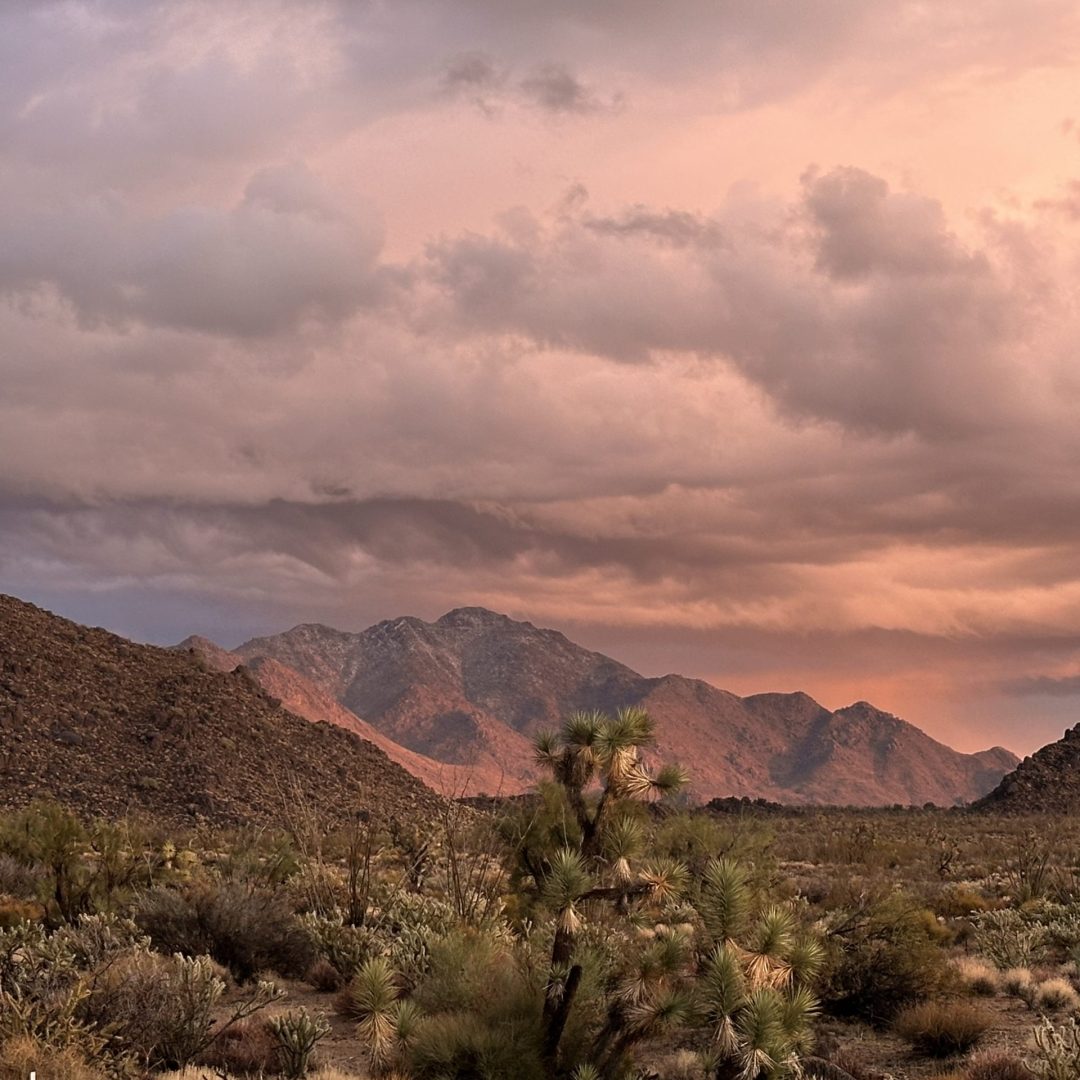
In this piece, I want to take you deeper than the standard definitions. Yes, we’ll answer the basic question — what is work camping? — but from the perspective of people who actually built a life around it. For us, work camping wasn’t just a temporary job. It was the beginning of a lifestyle that eventually led to off-grid living in the Arizona desert in winter, and summers surrounded by the cool mountain air of Gunnison, Colorado.
What Is Work Camping, Really?
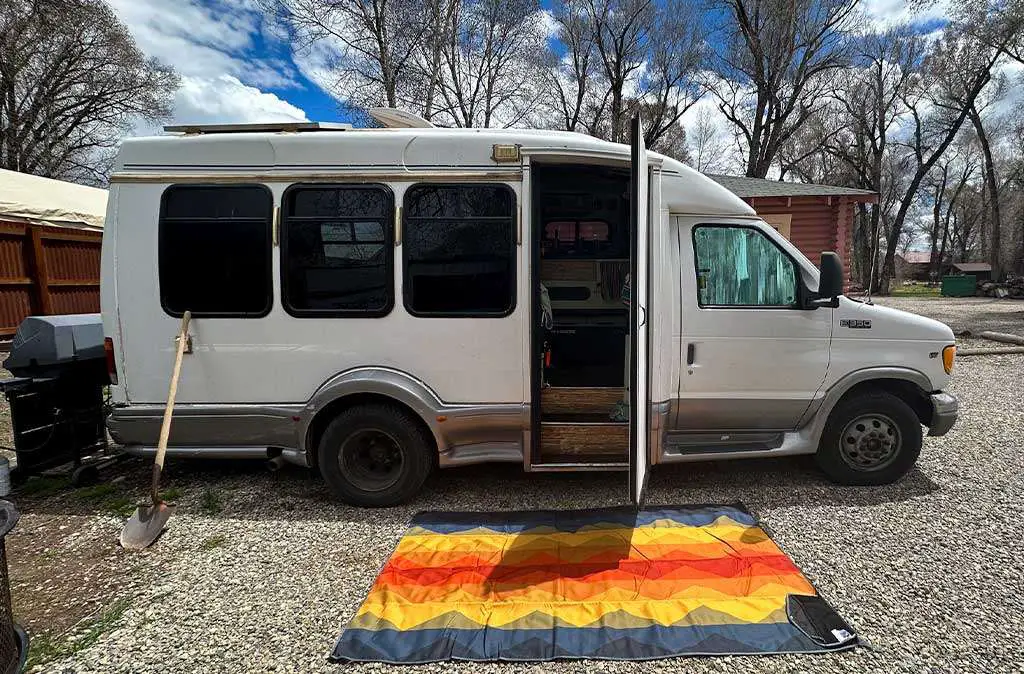
At its simplest, work camping is a lifestyle where you live on-site — usually in an RV, van, tiny home, or converted vehicle — while working a short-term job. The jobs are usually found in outdoor recreation, tourism, hospitality, or land management.
But the simple definition misses a key part of the experience:
work camping is about mobility.
It’s about exchanging the stability of a traditional career for the flexibility to chase new horizons. It’s about choosing a campsite over a commute, and a sense of exploration over the predictability of a 40-hour week.
Most work campers live in places like:
- campgrounds
- national or state parks
- RV parks
- dude ranches
- outdoor adventure resorts
- seasonal lodges
- small motels that welcome travelers and long-term guests
That last one became our home base. Island Acres Resort Motel in Gunnison, Colorado — an unassuming little motel with a big personality — was the beginning of our summer life in the Rockies.
We arrived as work campers.
We stayed as managers.
We remain because the place became part of us.
Different Paths Into Work Camping
People come into work camping through different doors. Some seek quiet, seasonal work in nature. Others want adventure jobs that keep the adrenaline flowing. And some — like us — are looking for a lifestyle that breaks the script entirely.
Here are a few of the most common roles work campers take on:
Campground Hosts
Hosts manage everything from check-ins to basic maintenance. They become the welcoming faces of campsites across the country, and in return receive a discounted or free campsite — sometimes plus pay.
Seasonal Park Rangers
Seasonal ranger positions connect people directly with public lands. Rangers help maintain trails, protect wildlife, educate visitors, and keep parks running smoothly.
Interpretive Guides
These are the storytellers of the outdoors — people who lead hikes, teach visitors about geology or wildlife, or guide tours through historical landscapes.
Adventure Tourism Staff
From rafting guides to zipline instructors, adventure tourism relies heavily on seasonal workers. Many work campers find their community among these adrenaline-fueled crews.
Hospitality and Lodging
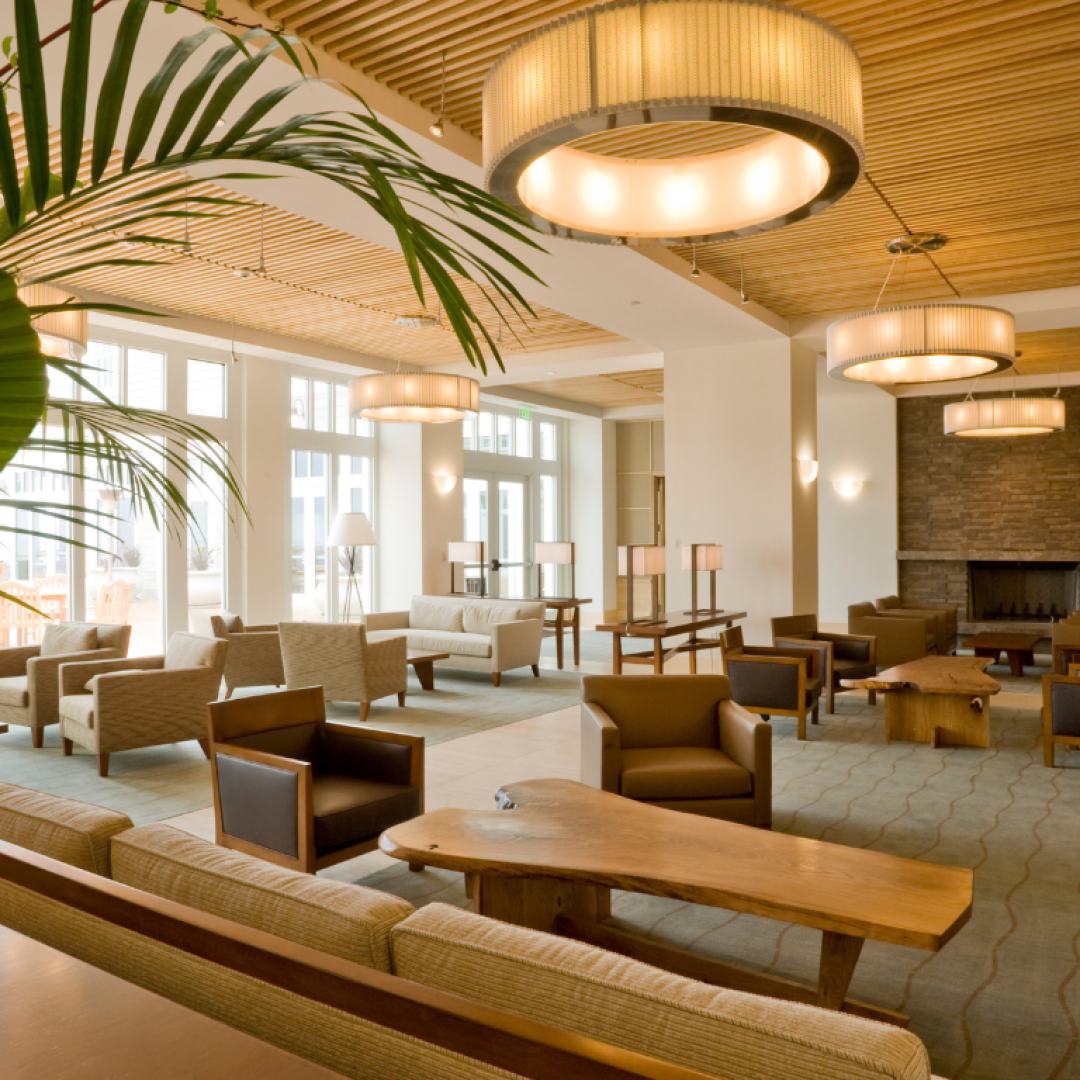
Small motels — especially in adventure-rich towns — rely on seasonal workers. Island Acres Resort Motel, in the heart of Gunnison, is one example. Here, work campers not only help run the property, but often become part of the local community in a way traditional travelers never get to experience.
Why Work Camping Exists — And Why It Works
The Freedom of Movement
Most people start searching “what is work camping” because they feel something stirring inside them — a restlessness, a curiosity, a desire to step outside the boundaries of conventional life. Work camping offers that first step. It gives people control over where they live, how long they stay, and what kind of work they take on.
A More Affordable Lifestyle
Housing is one of the biggest expenses in modern life. Work camping cuts that cost dramatically. Free or subsidized campsites mean people can explore mountain towns, coastal regions, deserts, and forested retreats without drowning in rent.
A Deeper Connection to Nature
Most work camping jobs place you directly in the landscapes you dream about visiting — pine forests, desert plateaus, mountain valleys. Living with the sunrise and falling asleep under a sky full of stars becomes part of the rhythm of life.
Learning Skills That Actually Matter
Work camping teaches people practical skills:
- trail maintenance
- basic construction
- hospitality management
- wildlife awareness
- gardening
- off-grid living skills
- community-building
For us, it was the foundation for an entirely new way of living — eventually leading to our off-grid homestead near Yucca, Arizona.
A Different Kind of Lifestyle Choice
Work camping attracts people who want more from life than a paycheck. People who want to write their own story. People who value time, nature, experiences, and community. People who would rather wake up to mountain air than office walls.
Final Thoughts: The Life Work Camping Opens Up
Work camping is more than a job. It’s a doorway into a lifestyle defined by curiosity and movement. It helps people build lives around nature, exploration, and self-discovery — and for us, it became the first step in a longer story of seasonal living, off-grid self-reliance, and intentional travel.
If you’re the kind of person who feels a pull toward the open road or the deep quiet of the mountains, work camping might be your turning point. It might be the moment where life begins to look less like a straight path and more like a trail winding into places worth discovering.
And if your heart beats a little faster at the thought of building a life that doesn’t fit inside a cubicle, then maybe — just maybe — it’s time to start your own chapter.