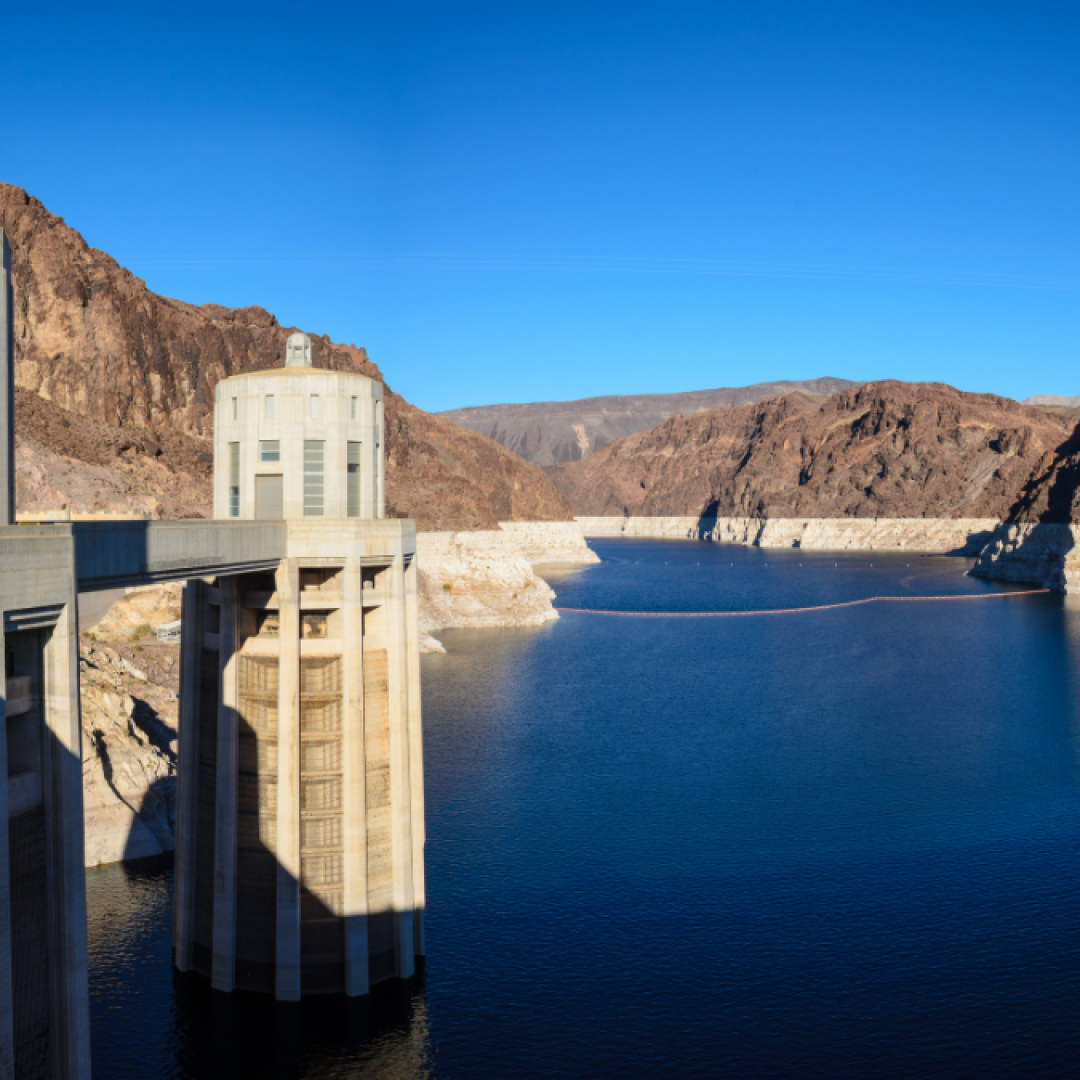
Tucked along the northern shore of Blue Mesa Reservoir lies Sapinero, Colorado, a tiny community with a powerful story of adaptation and endurance. It’s the kind of place that’s easy to miss if you’re racing down Highway 50 toward Montrose or Gunnison—but if you slow down, you’ll discover a hidden chapter of Colorado’s history and a surprisingly rich destination for outdoor enthusiasts.
The Roots of Sapinero, Colorado
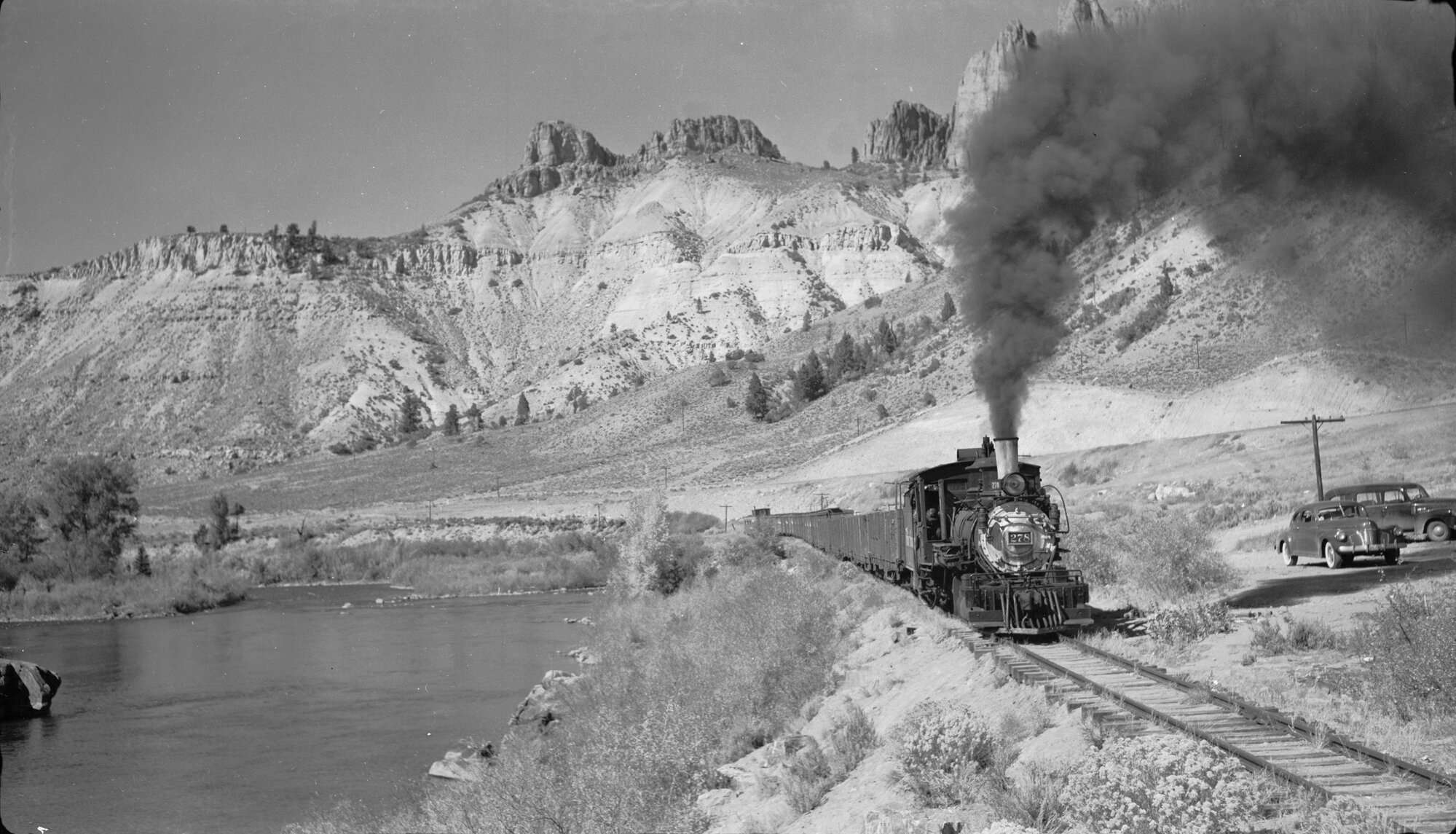
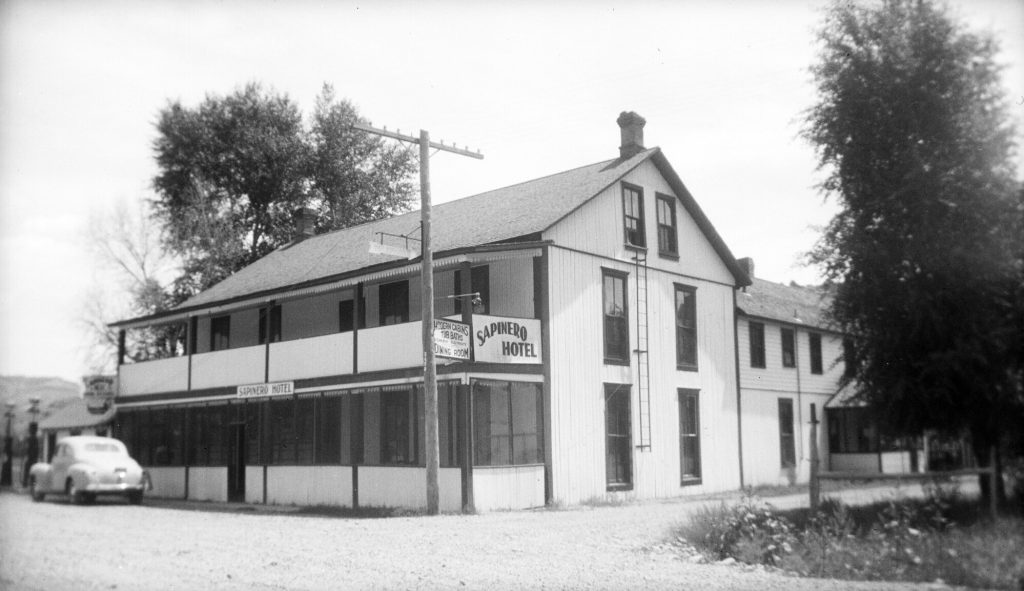
Before it became a reservoir-side stopover, Sapinero, Colorado was a quiet railroad town nestled in the Gunnison River Valley. Named after Chief Sapinero, a leader of the Ute people who once called the area home, the original town grew as a station along the Denver & Rio Grande narrow-gauge railway. With its location on the route connecting Gunnison to Montrose, Sapinero served as a modest hub for travelers and local ranchers through the early 20th century.
For decades, the town existed in peaceful obscurity. But everything changed in the 1960s.
A Town Submerged: The Blue Mesa Transformation
The construction of the Blue Mesa Dam, part of the larger Colorado River Storage Project, brought an unexpected fate for Sapinero. As waters began to rise behind the new dam, it became clear that the town—its homes, its history, its physical footprint—would be lost beneath what would become Blue Mesa Reservoir, now the largest body of water within the state of Colorado.
But, Sapinero didn’t disappear. Rather than fading into memory, the town was moved—relocated a short distance uphill to its present site. Buildings were either dismantled or abandoned, and a new version of Sapinero was born, one that would serve as a lakeside outpost instead of a railroad stop.
It’s this resilience—this literal uprooting and replanting—that makes the story of Sapinero, Colorado so remarkable.
Sapinero Today: A Quiet Gem on the Water
Modern Sapinero is unincorporated and small—just a few homes, a gas station, and a village store—but it stands as a gateway to one of Colorado’s premier recreation areas: the Curecanti National Recreation Area.
Visitors flock to the nearby Lake Fork Marina, just minutes from town, where they can rent boats, launch kayaks, and fish for trout in the crystal-clear waters of Blue Mesa Reservoir. The reservoir itself is a paradise for anglers and water-lovers, drawing thousands each year to its 96 miles of shoreline.
Campgrounds at Elk Creek and Lake Fork offer some of the best views in the region, with morning fog curling over the lake and evening light glowing off canyon walls. Hikers can explore nearby trails like Pine Creek or the Hermit’s Rest Trail overlooking Morrow Point Reservoir, each revealing another slice of the rugged beauty that defines western Colorado.
A Basecamp for Bigger Adventures
Sapinero’s location is one of its biggest assets. Situated about 25 miles west of Gunnison, it’s a perfect jumping-off point for exploring the Black Canyon of the Gunnison National Park, which lies just over the ridge to the north. A drive along the canyon rim—especially Pioneer Point or the awe-inspiring Curecanti Needle overlook—reminds you why this landscape has earned national acclaim.
From Sapinero, you can also access some of Colorado’s most iconic scenic drives, including the Silver Thread Scenic Byway and the West Elk Loop. Whether you’re chasing wildflowers in Spring or golden aspens in Fall, the views from these routes are unforgettable.
A Place That Remembers
What makes Sapinero, Colorado more than just another dot on the map is its layered story. Beneath the ripples of Blue Mesa Reservoir lies the town that once was—homes, fence posts, the bones of a vanished community. Locals and longtime visitors remember it. Some even tell stories of how their grandparents’ land now rests beneath 300 feet of water. In fact, we’ve been lucky enough to meet a gentleman who grew up in a neighboring town, Iola, who has stories of riding horses across the river, joining neighbors for family meals, and cowboy rivalries between local ranching groups.
Yet the new Sapinero is far from forgotten. It’s a place of peaceful mornings, starry skies, and easy access to adventure. Whether you’re stopping for gas, launching a boat, or simply taking in the view, you’re stepping into a story that few places in Colorado can tell.
Plan Your Visit to Sapinero, Colorado
If you’re traveling through southwest Colorado, don’t just pass through—make Sapinero your stop. There are ample places nearby to fish, hike, picnic, or simply sit by the water and reflect.
In the end, Sapinero offers more than recreation. It offers perspective. In its quiet persistence, its literal rising above the flood, Sapinero, Colorado teaches us something about what it means to endure—and to thrive—at the edge of history and nature alike.
More Content from Applied Worldwide
Iola Colorado: A town lost to the depths
Why Places Disappear: Community, Infrastructure, and Memory
Q and A with Alonzo Hartman about his Stone House at Dos Rios Ranch