Some places disappear quietly. Others vanish suddenly. In both cases, understanding why places disappear often reveals far more than what is immediately visible on the landscape.
Across the United States—and around the world—towns, neighborhoods, and communities have faded from view. Sometimes they are flooded beneath reservoirs. Sometimes they are abandoned when industries collapse. Sometimes they are slowly emptied as people move away, leaving buildings standing but everyday life gone. These places may no longer function as communities, but they rarely disappear entirely.
Understanding why places disappear requires looking beyond maps and timelines. It means paying attention to how people build lives in particular locations, how infrastructure reshapes landscapes, and how memory persists long after physical structures are gone.
Communities Are Built, Not Guaranteed
Communities form when people settle, stay, and invest their lives in a place. Work opportunities, transportation routes, access to resources, and social relationships all shape where people live and how long they remain. Towns often emerge because they serve a specific purpose—supporting a mine, a railroad, a river crossing, or an agricultural economy.
As long as those conditions remain stable, communities tend to endure. Schools are built. Businesses open. Traditions form. Over time, a sense of belonging develops, tied closely to the physical landscape. People come to associate home not just with a house, but with roads, landmarks, routines, and shared history.
But communities are not permanent by default. They exist within larger systems that can change abruptly or gradually. When those systems shift, even deeply rooted places can become vulnerable.
The Role of Infrastructure in Shaping—and Unshaping—Places
Infrastructure is often presented as progress. Dams provide water and power. Highways improve mobility. Railroads connect markets. These projects can bring growth and stability to some regions while quietly erasing others.
When major infrastructure is built, decisions are made about which places will be protected and which will be sacrificed. Towns may be relocated, flooded, bypassed, or cut off from economic lifelines. These changes are rarely framed as losses at the time. They are described as necessary trade-offs in service of a larger good.
For the people who live in affected communities, however, infrastructure can mark the beginning of the end. When a river is dammed, a valley flooded, or a highway rerouted, daily life becomes impossible to sustain in the same way. Even when relocation assistance is offered, the social fabric of a place cannot be moved intact.
What disappears is not just buildings, but relationships tied to specific spaces—front porches, town centers, familiar routes, and shared gathering places.
Decline Is Often Slow and Uneven
Not all disappearing places are erased overnight. Many decline gradually. Industries close. Younger generations leave. Schools consolidate. Businesses shut their doors one by one. What remains may look intact from the outside, but the rhythms of daily life have changed.
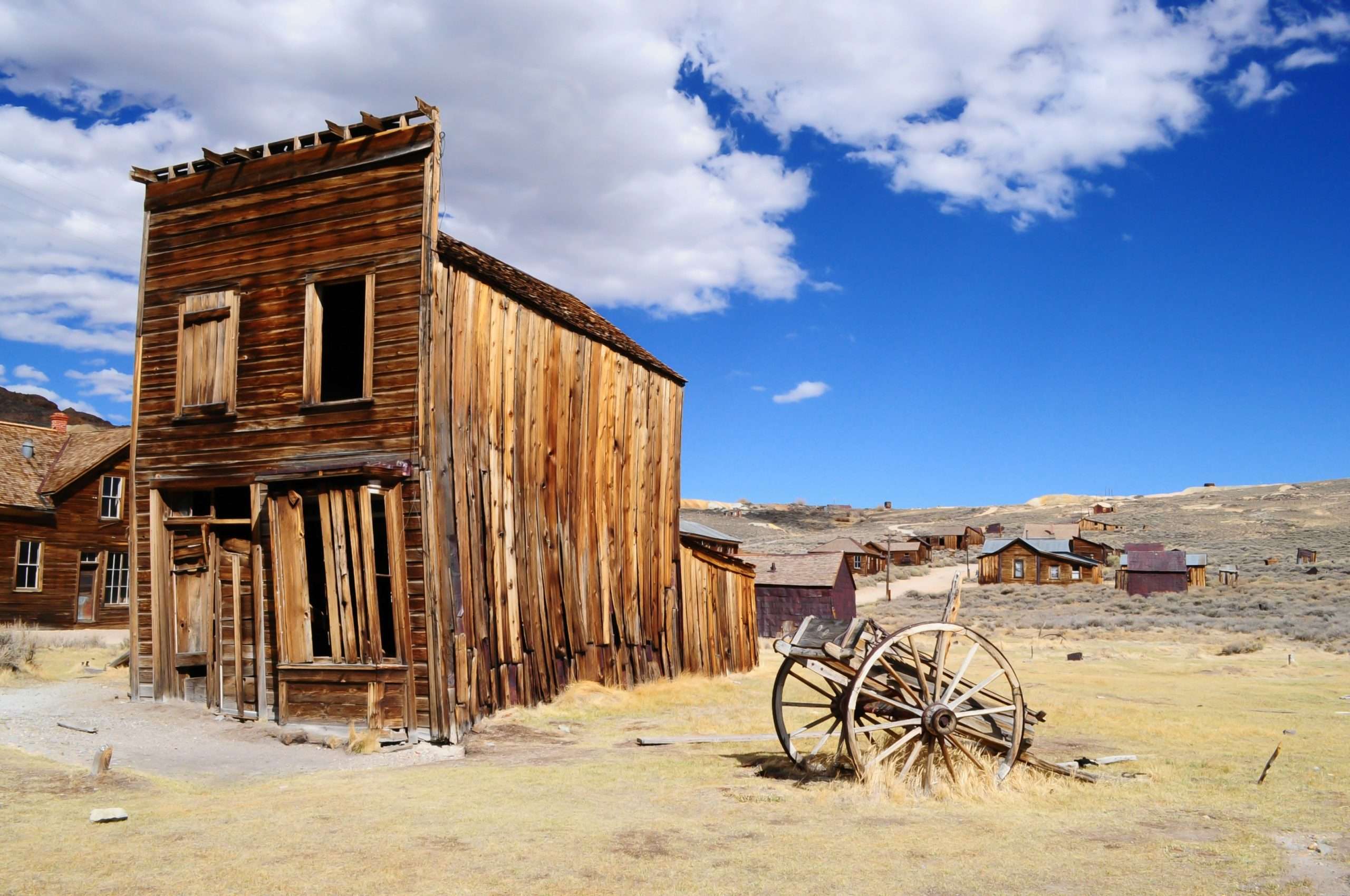
These places often exist in an in-between state. They are not fully abandoned, but they are no longer thriving. Residents who stay adapt to reduced services and shrinking populations. Outsiders may describe such places as “ghost towns,” even when people still live there.
Slow decline can be harder to recognize than sudden disappearance. There is no clear moment when a place stops being a community. Instead, there is a gradual thinning out, a sense that something essential has shifted.
What Remains When Places Are Gone
Even when a place disappears physically, it often continues to exist through memory. Former residents remember where houses stood, where children played, where important events took place. Stories are passed down. Photographs are preserved. Museums, historical markers, and family archives keep fragments of these places alive.
In some cases, changing environmental conditions bring remnants back into view. Lower water levels reveal old roadbeds and foundations. Desert landscapes uncover abandoned structures. These moments capture public attention not because the places return, but because they remind us that disappearance is rarely complete.
A landscape can hold multiple histories at once. What looks empty may be layered with meaning.
Why These Stories Matter Now
Stories of disappearing places are not only about the past. They reflect ongoing patterns in how societies prioritize development, manage resources, and respond to change. As climate conditions shift, populations move, and infrastructure ages, more communities will face uncertainty about their future.
Paying attention to why places disappear helps us better understand what is valued, what is overlooked, and whose lives are most affected by large-scale decisions. It also challenges the idea that landscapes are static or inevitable. Every place has a history shaped by human choices.
For those who visit, document, or remember these locations, the act of noticing becomes a form of respect. It acknowledges that what once existed mattered, even if it no longer appears on a map.
Memory as a Form of Continuity
Places disappear, but memory creates continuity. Remembering is not about nostalgia or resisting change. It is about recognizing the human stories embedded in landscapes and understanding how present-day environments came to be.
When we take the time to learn about lost towns, abandoned roads, and changing communities, we see places differently. The landscape becomes more than scenery. It becomes a record of lives lived, decisions made, and futures imagined.
Disappearing places remind us that communities are shaped by forces both local and distant—and that even when a place is gone, its story continues to shape how we understand the world around us.
Preserving the Memories of Hartman Castle
Because we understand the importance of place-making in communities, we have become involved with the Hartman Castle Preservation Corp. This is a non-profit group in Gunnison, Colorado looking to purchase and restore a large stone home built by Alonzo and Annie Hartman some of the original founders of the town. The Hartman Castle Preservation Corp., is looking to turn the space into something that earns heritage tourism money for the community, and a place where local folks can gather for events.
It really is an incredible project. This group has made a lot of progress and continues working hard. You can learn more about the project at hartmancastle.org. We have written several pieces of content about this project over the years, most of which are stories of the Hartman’s and their friends and family.
Q and A with Alonzo Hartman about his Stone House at Dos Rios Ranch
Alonzo Hartman Castle near Gunnison, Colorado in Pictures
Did Alonzo Hartman meet Alferd Packer at Los Pinos?
The Story of How Sam Hartman Lost His Leg
Western Colorado’s Original Cattleman
Applied Sociology of the Hartman Castle Preservation Project
Historic Preservation: What does it actually mean?
Related Content from Applied Worldwide Lifestyle
Ghost Towns in Arizona: Stories From the Desert’s Forgotten Places
Remembering Historic American Towns Lost to Flooding
Historia de Iola, Colorado: Un pueblo perdido en las profundidades
The Lost Towns Beneath Lake Mead
Cebolla Colorado: The Lost Town Beneath Blue Mesa Reservoir
Iola Colorado: A town lost to the depths
Sapinero, Colorado: A Story of Submersion, Survival, and Scenic Beauty