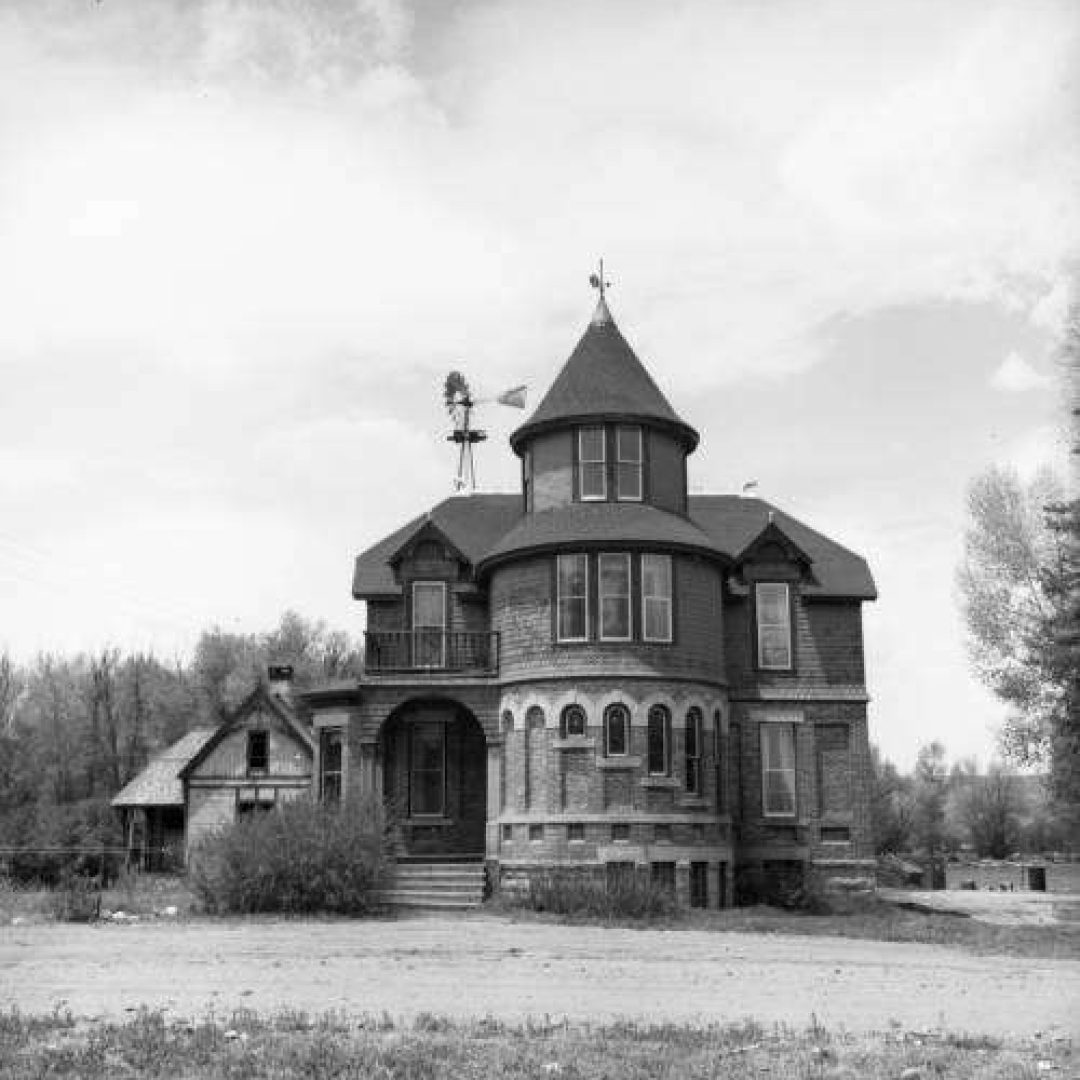
At Island Acres Resort Motel there is a vintage cabin that has been restored into a 3 bedroom, 3 bathroom rental for families and groups visiting Gunnison, Colorado. The story of the cabin is an interesting one. It belonged to a fishing resort called Rippling River Ranch. At the time the resort was located next to the Gunnison River on the great Blue Mesa.
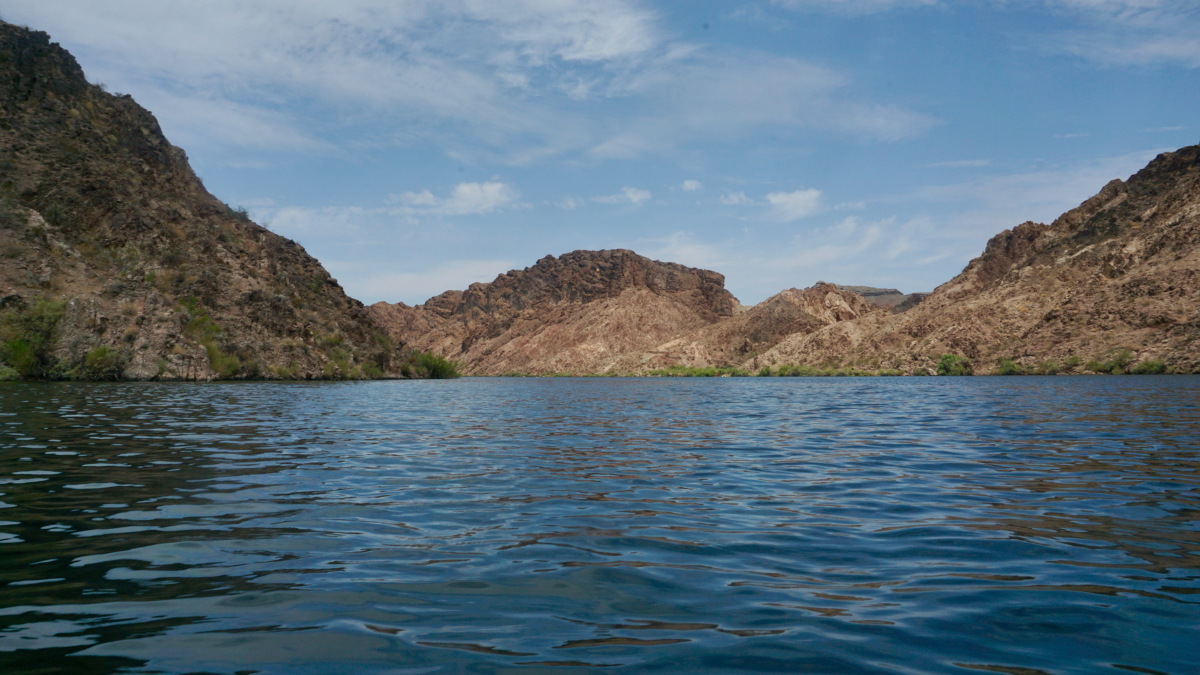
In 1966 the state of Colorado decided to build a dam and flood the Blue Mesa into the Blue Mesa Reservoir. In doing so all of the ranches and resorts in the area were forced to move, sell, or burn all of their belongings, including buildings and structures. Fortunately the Rippling River Ranch Cabin was saved and moved to Island Acres Resort Motel, preserving a small piece of the town’s history.
But, this story got me thinking about other towns that had been lost to flooding around the United States. So, let’s dive in.
St. Thomas, Nevada (under Lake Mead)
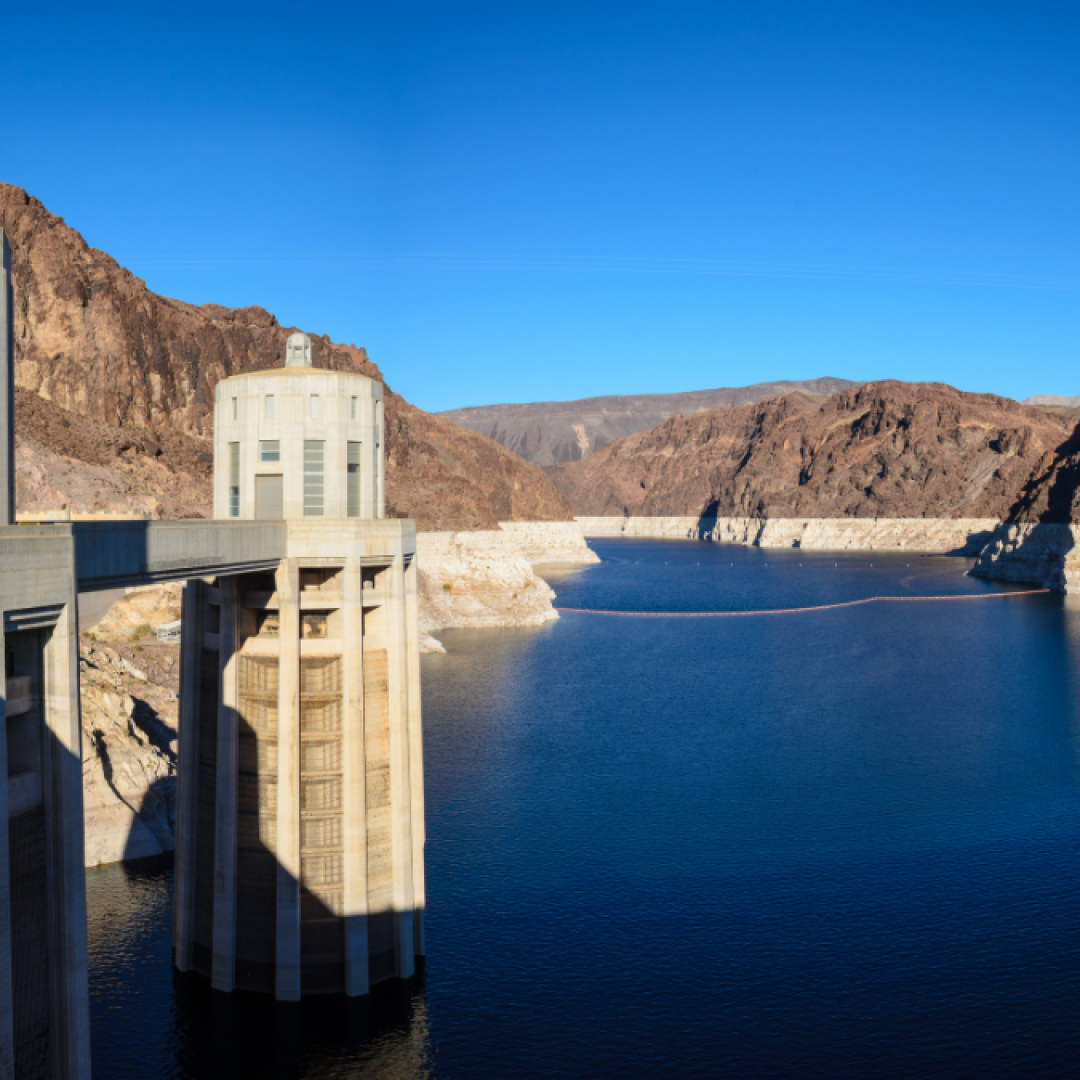
St. Thomas, Nevada is perhaps the most famous parallel to Iola. Residents left St. Thomas in the 1930s to make way for the Hoover Dam and the formation of Lake Mead. When drought causes the lake’s water levels to drop, the town’s ruins—including building foundations, an old hotel, and the remains of homes—become exposed, generating significant national news coverage and attracting visitors.
Kennett, California (under Lake Shasta)
A bustling copper-mining town during the Gold Rush era, Kennett, California was submerged in the 1940s when the Shasta Dam was built. Like St. Thomas, its foundations and remnants occasionally reappear during periods of low water levels in Lake Shasta, captivating people interested in California’s boom-and-bust gold rush history.
Neversink, New York (under the Neversink Reservoir)
This community (along with a smaller one called Bittersweet) was flooded in the 1940s and 50s to create a reservoir that provides drinking water for New York City. The name itself, derived from an Indigenous word meaning “continuously flowing,” has a certain poignant irony that captures public imagination.
Enfield, Massachusetts (under the Quabbin Reservoir)
In the 1930s, four small New England towns (Dana, Prescott, Greenwich, and Enfield) were disincorporated, razed, and flooded to create the Quabbin Reservoir for Boston’s water supply. The dramatic story of these communities’ final days, including the relocation of 7,000 bodies from cemeteries, has made the Quabbin “drowned towns” a subject of ongoing historical interest and regional lore.
Elbowoods, North Dakota (under Lake Sakakawea)
Elbowoods, North Dakota was one of several Native American towns that were flooded by the Garrison Dam project in the 1950s, forcing the relocation of 80% of the Mandan, Hidatsa, and Arikara tribes from their ancestral lands. This story of displacement has a particularly significant cultural and social justice angle that draws attention.
Final Thoughts on American Towns Lost to Flooding
What all these stories have in common—beyond the fact they were flooded—are the displaced communities. Each case details communities uprooted by the construction of projects meant to serve other communities. The pattern reveals a recurring theme in American history: the pursuit of growth and resource control often outweighs the preservation of place and heritage. By revisiting these histories, we gain a clearer understanding of how decisions about land, water, and power have shaped both our physical and cultural landscapes.