
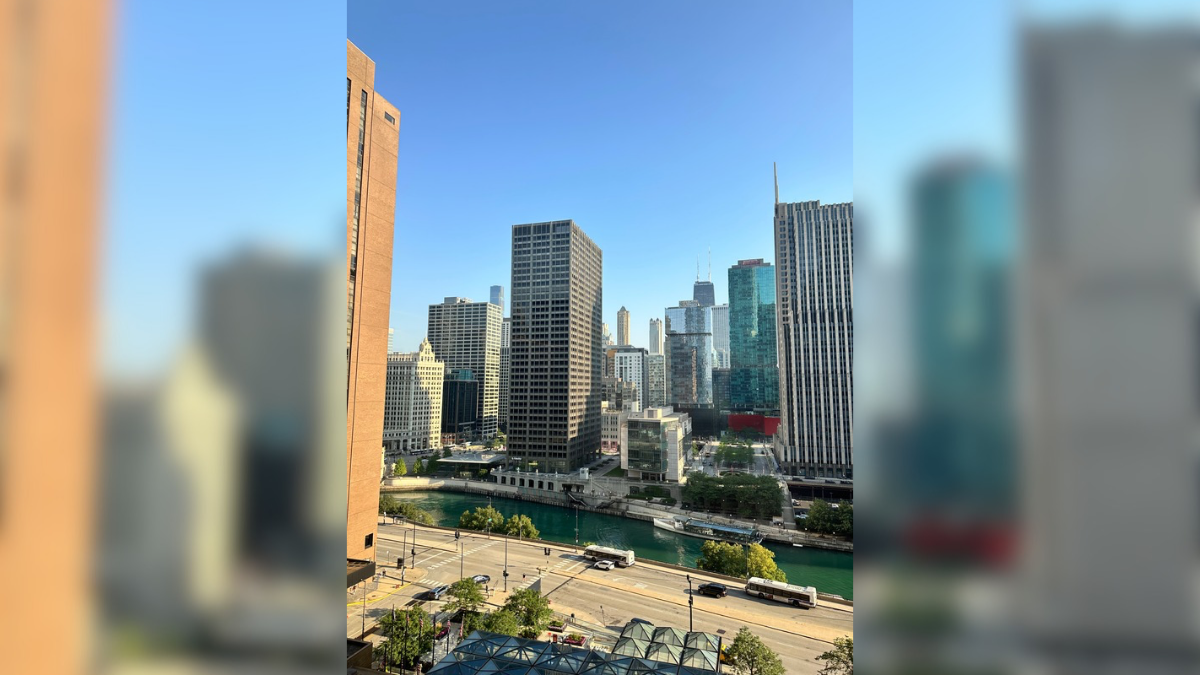
In August 2025, I was traveling for work conferences for 11 days straight from the California coast to Downtown Chicago. It was a rewarding and exhausting week and half. Extended work trips can wear down your energy even when the schedule looks manageable on paper. After several days, unfamiliar surroundings, restaurant meals and blurred work hours may leave you feeling tired or unfocused. The room itself can start to feel like an extension of the office.
A few deliberate changes can make a long stay feel more sustainable. The aim is to support consistent sleep, create a clear end to the workday and give your mind enough variety to recover between meetings.
Recognizing Hotel Room Fatigue
Hotel room fatigue often appears as restlessness, low motivation or trouble concentrating after work. You may spend all day at a temporary desk, close the laptop and realize you’re still sitting in the same place where you’ll eat and sleep. Without a commute or a change of setting, the brain receives few signals that work has ended.
Watch for practical clues. Repeatedly ordering food because leaving feels tiring, waking during the night and answering emails from bed can all point to a poor recovery routine. Decompressing after work can include a short walk, a shower or 20 minutes with your phone placed out of reach. The activity matters less than repeating a recognizable transition each evening.
Apartment Hotels as a Modern Refuge
For stays lasting a week or longer, compare the room layout as carefully as the nightly price. Apartment hotels generally offer distinct areas for sleeping, cooking and relaxing, which makes it easier to separate work from personal time. A kitchen also gives you more control over meals when restaurant dining starts to feel heavy or repetitive.
Travelers considering a longer urban stay can review ROOST Philadelphia as an example of apartment-style lodging with hotel amenities. Before booking, check for a full-size workspace, laundry access, cookware and a comfortable chair outside the sleeping area. Small layout details matter. If possible, choose a space where your laptop can stay out of sight once the workday ends.
Creating Sensory Boundaries After Hours
Your surroundings should change when you finish work. Close the laptop, clear papers from view and switch from bright overhead lighting to a warmer lamp. Put work notifications on a scheduled pause and change into clothes you haven’t worn during meetings. These cues help your attention shift even when you’re spending the evening in the same accommodation.
Sound can create another boundary. Use a familiar playlist while making dinner, then choose quiet background noise before bed. Keep the room cool and dim during your final hour awake. The sleep hygiene guidance for travelers commonly emphasizes a regular schedule and a calm sleeping environment. If street noise is unpredictable, pack earplugs or use steady white noise at a low volume.
Restoring Mental Clarity Mid-Stay
Don’t wait until the final day to address mounting fatigue. Choose one evening in the middle of the trip with no optional work commitments. Eat a simple meal, spend time outdoors and avoid turning the evening into another tightly scheduled block.
Daylight and movement can also reset a sluggish afternoon. A 15-minute walk before a late meeting may improve alertness while giving your eyes a break from close screens. If your calendar allows it, work from a shared lounge or quiet cafe for an hour so the room doesn’t carry the full weight of your job.
Protect sleep timing as much as possible, including on free mornings. A steady wake-up time helps your body adapt to the temporary setting. Once the suitcase is unpacked, the desk has a closing routine and the bed is reserved for rest, the stay begins to feel less like one long workday.