When people think about Colorado history, they often imagine mountain mining towns, scenic railroads, or highways cutting through alpine passes. What is less often remembered are the communities that no longer appear on the landscape at all—places that were not abandoned, but deliberately erased. Cebolla Colorado was one of those places.
Once a small but active community along the Gunnison River, Cebolla existed quietly in a river valley that supported ranching, recreation, and seasonal travel. Today, the town no longer stands. Its former location lies beneath the waters of Blue Mesa Reservoir, its buildings and roads replaced by open water and shifting shorelines.
Where Cebolla Colorado Once Stood
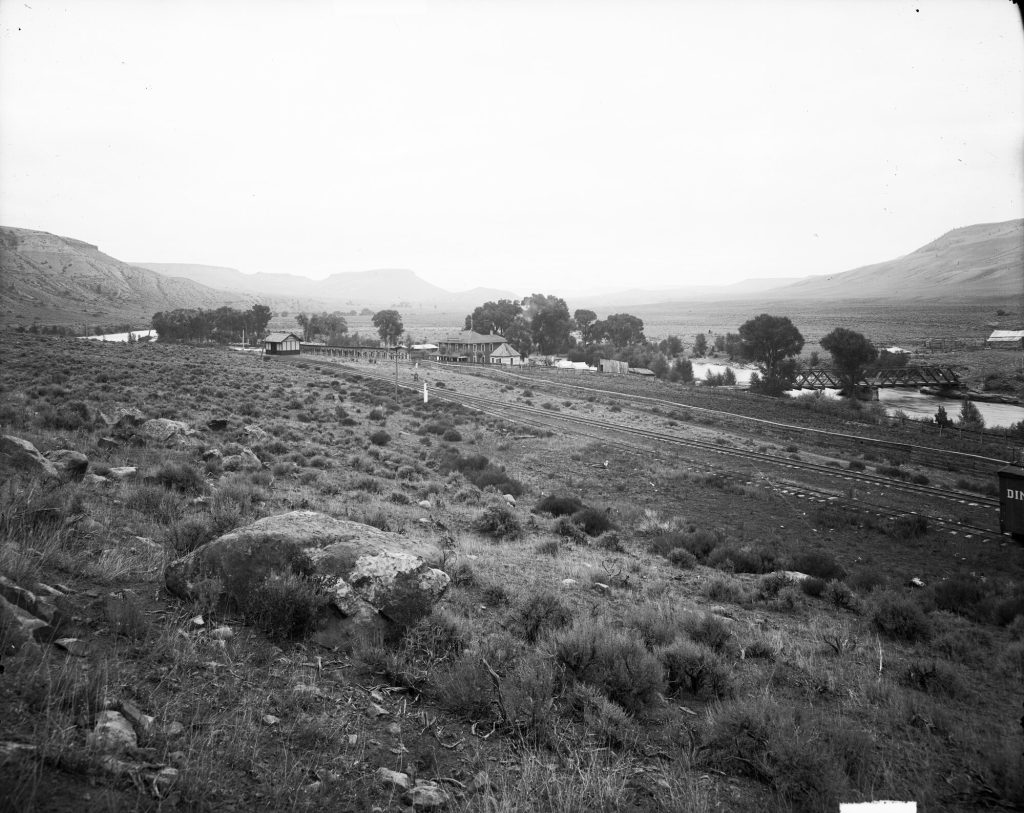
Cebolla was located in what is now known as the Cebolla Basin, one of the three basins that make up Blue Mesa Reservoir in Gunnison County, Colorado. The area takes its name from Cebolla Creek, a tributary of the Gunnison River. “Cebolla,” the Spanish word for onion, reflects the wild onions that once grew abundantly in the region and were used by Indigenous peoples long before settlers arrived.
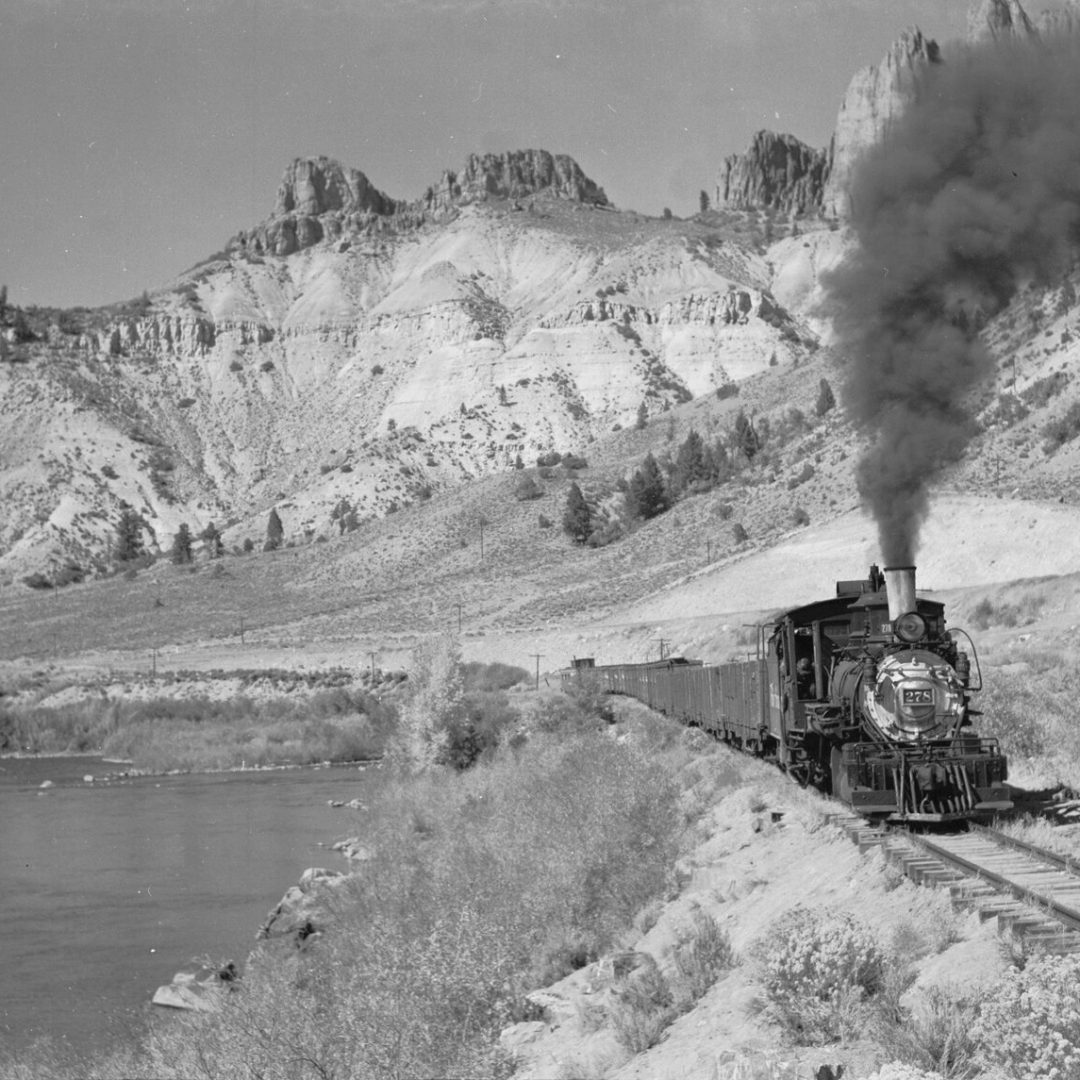
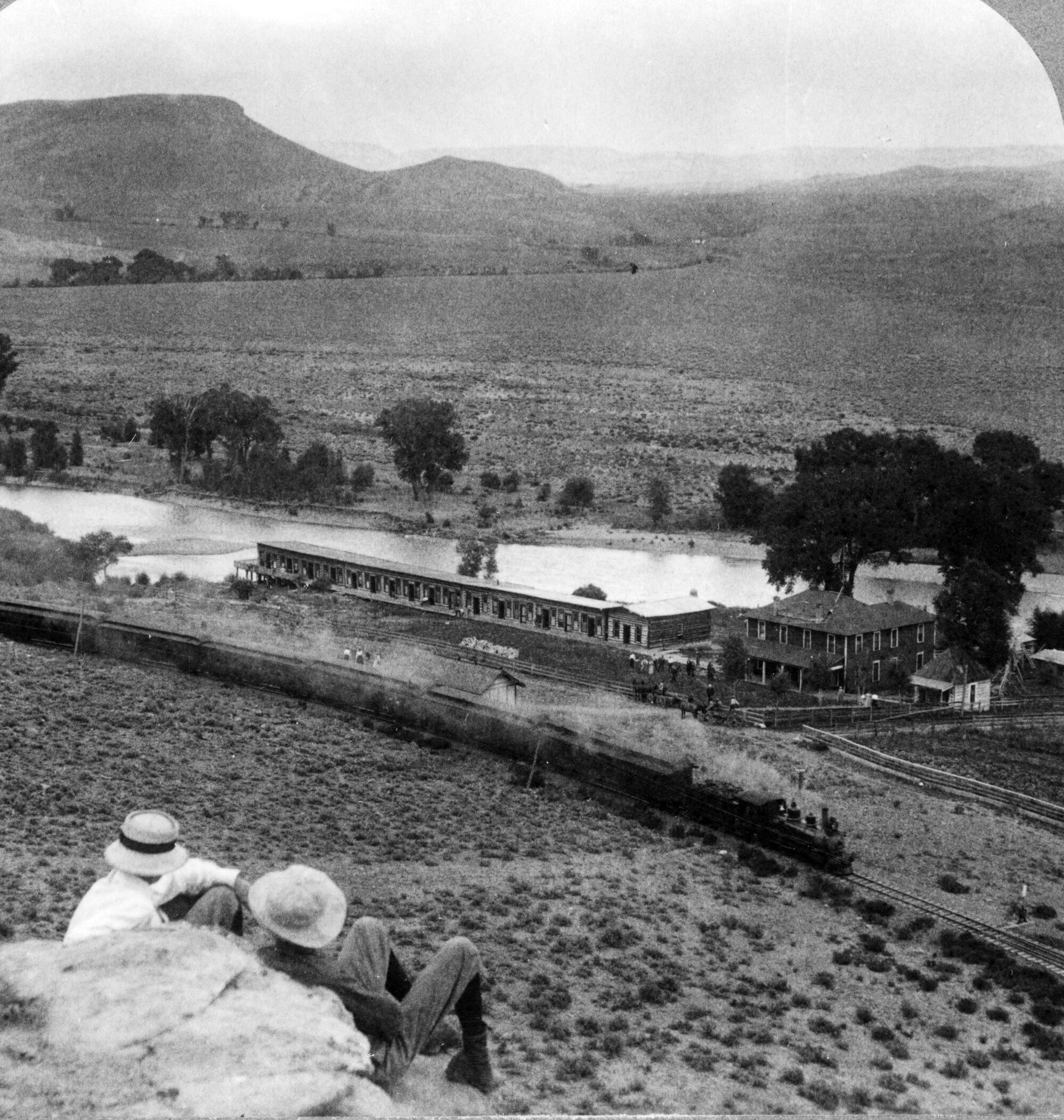
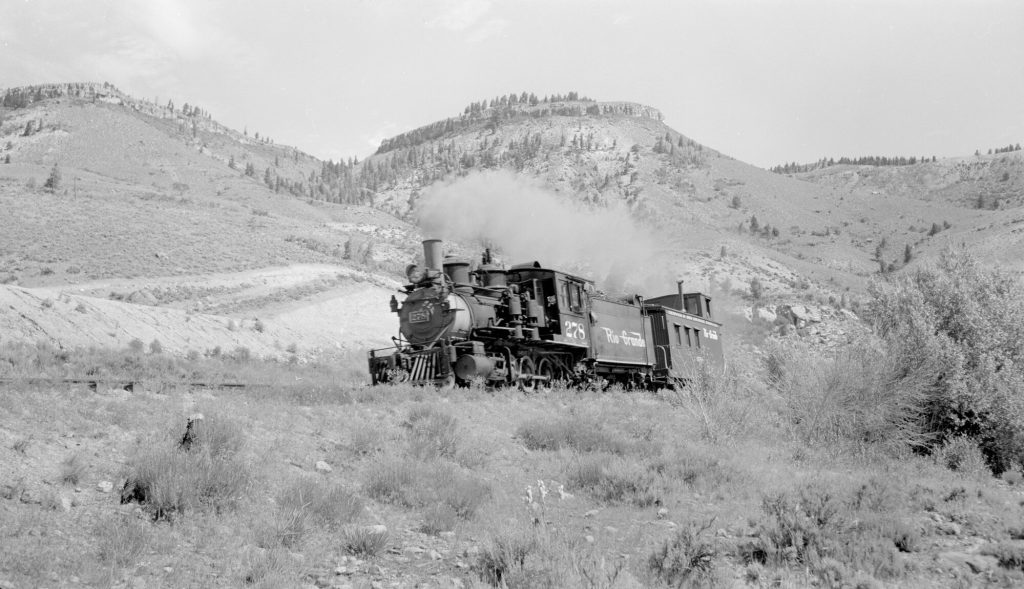
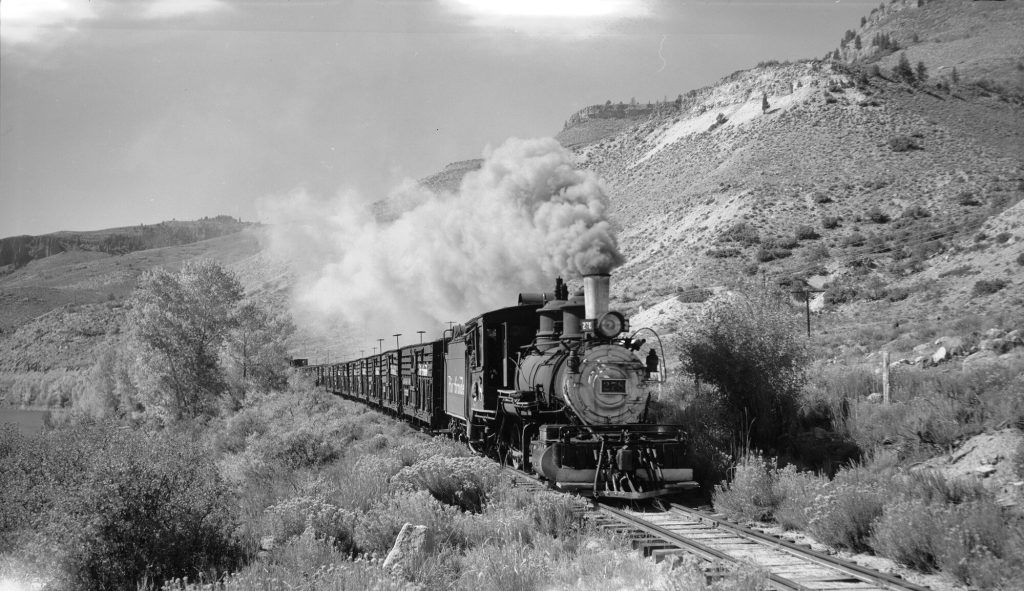
The town developed along a fertile stretch of river valley, accessible by the Denver & Rio Grande Western Railroad. This access connected Cebolla to broader regional networks and made it possible for both ranching and tourism to take root. Though never large, the town occupied an important place in the local landscape, serving as a stop along the river and a destination in its own right.
A Community Shaped by Ranching and Recreation
Cebolla’s economy reflected its setting. Ranching provided steady work, while the surrounding wilderness attracted visitors drawn to fishing, hunting, and the promise of a quieter life outdoors. The most recognizable landmark was the Sportsmen’s Hotel, founded in 1882 by J. J. Carpenter.
The hotel became a regional destination, offering guided hunting and fishing trips, lodging, and access to nearby hot springs. Travelers arrived from across the country, including President Herbert Hoover, who visited in the summer of 1939. For decades, Cebolla functioned as a modest but stable community where seasonal tourism and rural life overlapped.
Like many towns of its era, Cebolla was built around its environment. The river, the railroad, and the surrounding land shaped daily routines and gave the town its reason for existing.
The Decision That Changed Everything
Cebolla’s fate was sealed not by economic collapse or population decline, but by a federal infrastructure project. In the 1960s, construction began on Blue Mesa Dam as part of a broader effort to control the Colorado River, generate hydroelectric power, and provide water storage for the region.
When the dam was completed, Blue Mesa Reservoir began to fill. Entire valleys were submerged, including the sites of Cebolla, Iola, and Sapinero. Residents were forced to relocate. Buildings were dismantled, moved, or destroyed. What could not be relocated was simply left behind.
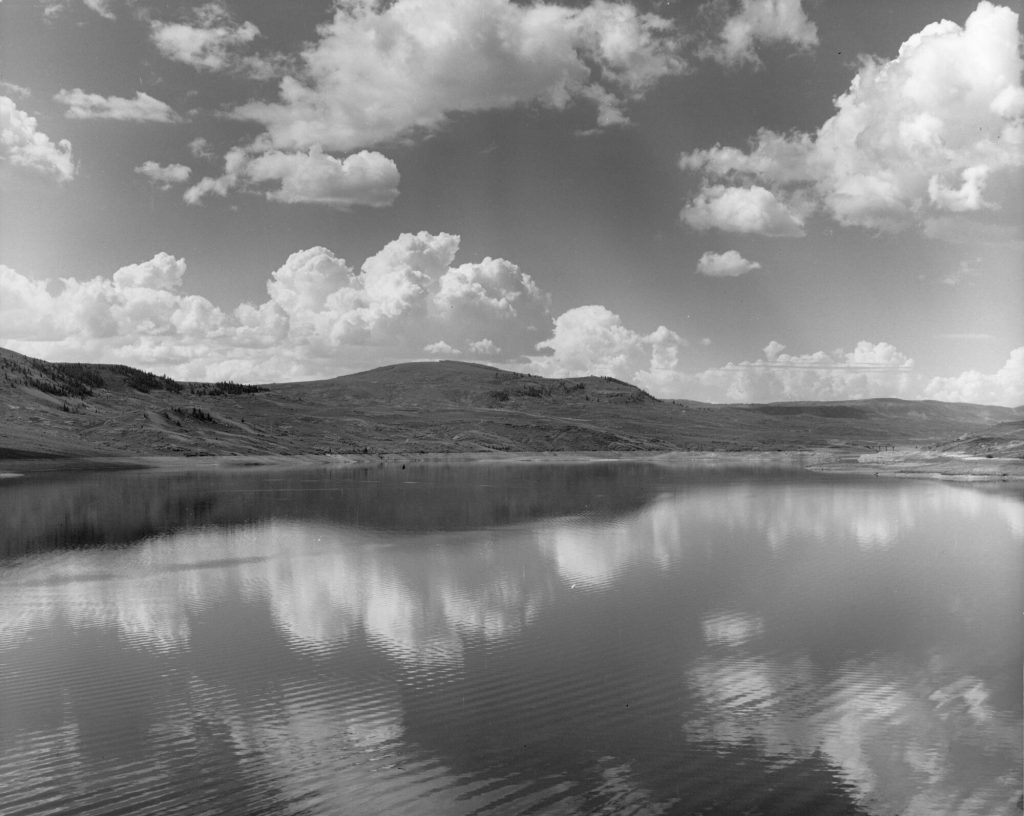
The reservoir brought new recreational opportunities to western Colorado, but it also permanently erased the physical presence of several long-standing communities. Cebolla disappeared not gradually, but decisively.
What Remains of Cebolla Colorado
Today, Cebolla exists primarily through memory and record. Its name lives on in Cebolla Basin and Cebolla Creek. Historical photographs, maps, and local archives preserve fragments of the town’s story. During periods of extreme drought, when water levels drop, remnants of submerged towns elsewhere in the reservoir occasionally reappear, reminding visitors that the landscape they see is layered with older histories.
For most of the year, however, Cebolla remains hidden beneath the water. Boats pass over what was once a river valley shaped by human lives, unaware of the community that once occupied the space.
Why Cebolla Still Matters
The story of Cebolla is not unique, but it is instructive. It reveals how communities can vanish not because they failed, but because larger systems demanded sacrifice. Decisions made far from the valley reshaped the land permanently, prioritizing regional needs over local continuity.
Remembering Cebolla matters because it restores visibility to places that were lost quietly. It reminds us that landscapes often celebrated for their beauty or utility were once lived-in spaces, shaped by work, relationships, and routine. These histories complicate the idea of progress by showing what was exchanged along the way.
Remembering a Town Beneath the Surface
Cebolla, Colorado no longer exists on a map, but it remains part of the cultural and environmental history of the Gunnison Valley. Its story sits beneath the surface of Blue Mesa Reservoir, carried forward through names, records, and memory.
For those who visit the reservoir today, the water may appear calm and timeless. But beneath it lies a reminder that places are not only shaped by nature. They are shaped by decisions—and once gone, they are rarely replaced.
More Related Content from Applied Worldwide
Iola Colorado: A town lost to the depths
Sapinero, Colorado: A Story of Submersion, Survival, and Scenic Beauty
Why Places Disappear: Community, Infrastructure, and Memory
Q and A with Alonzo Hartman about his Stone House at Dos Rios Ranch