When I joined the U.S. Navy in 2007, I had no idea that my first duty station would shape my entire understanding of problem-solving, craftsmanship, and learning to be handy. After completing 6–8 weeks of basic training in Great Lakes and then another 6–8 weeks of A-School in Pensacola, I was assigned the job of Aviation Boatswain’s Mate – Handler (ABH). My A-School experience was like taking introductory college courses—book work focused on aircraft knowledge, flight deck procedures, and the fundamentals of naval aviation.
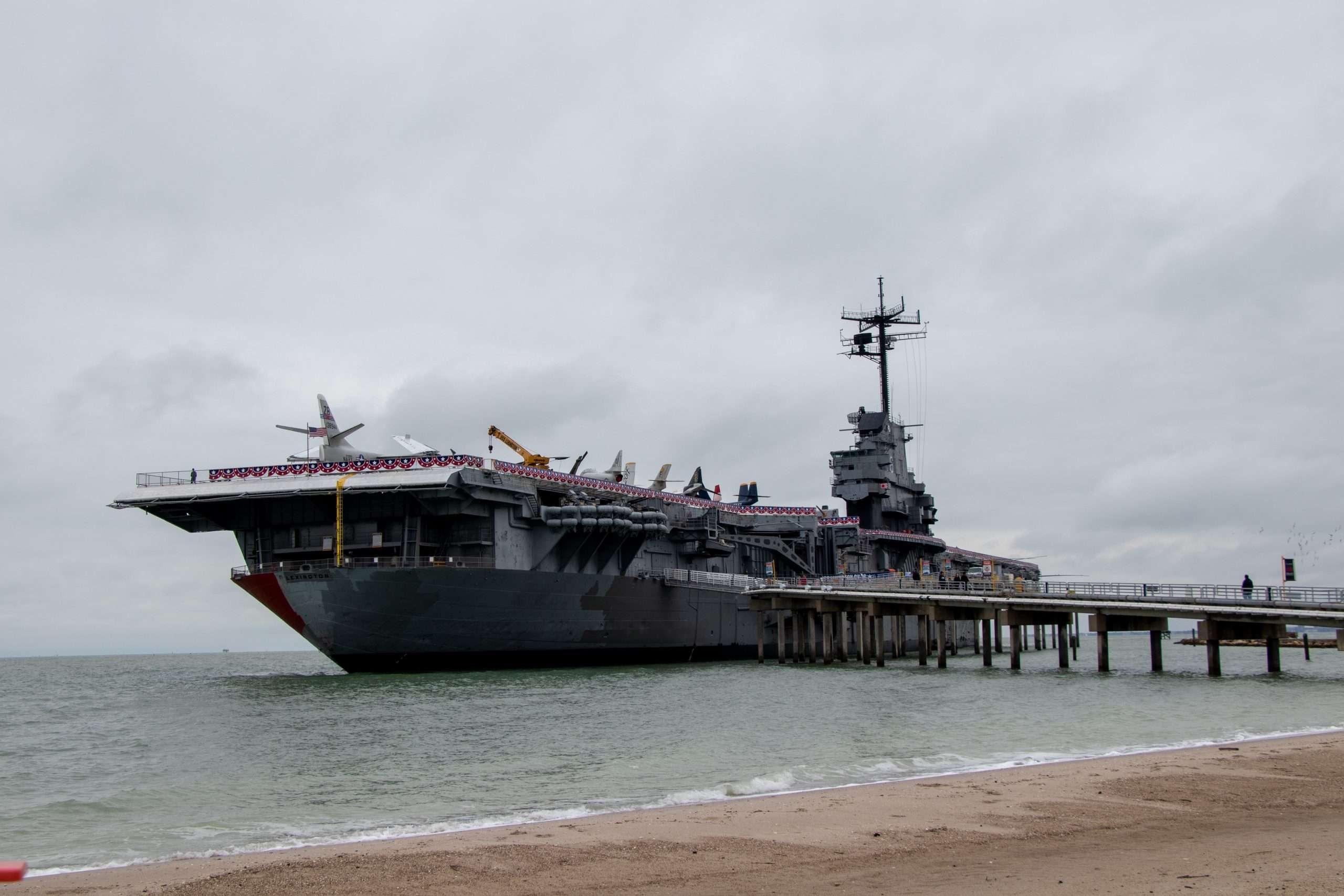
Once training wrapped up, I received orders to my first ship: the USS Carl Vinson (CVN-70), a Nimitz-class aircraft carrier. These carriers are massive nuclear-powered floating bases capable of carrying more than 80 aircraft. They’re built to last 50 years, with one major overhaul at the halfway point. When I reported to the Vinson, it was right in the middle of that major renovation.
Arriving to a Ship in Pieces
By the time I arrived, many of the big systems—nuclear reactors, computers, weapons—had already been replaced. But the rest of the ship was stripped down. Entire areas were gutted. Walls, insulation, plumbing, HVAC, and furniture were gone. The flight deck looked less like a runway for fighter jets and more like a construction zone full of equipment and materials.
Most of the work wasn’t being done by sailors, but by private contractors. As ABHs, we were trained to operate and direct aircraft, but the ship didn’t have any aircraft yet. Our role became something completely different: supporting the rebuild. My division was responsible for around 100 spaces across the ship, and almost immediately we found ourselves spending long days sweeping up after contractors.
Finding Purpose in the Chaos
After weeks of the same repetitive tasks, a few of us looked for ways to be more useful. We volunteered for small jobs—hanging soap dispensers, painting, organizing spaces—and our chain of command noticed that not only were we motivated, but we could complete tasks faster and cheaper than waiting for contractors.
That small spark turned into something bigger. Before long, the four of us were given permission to form our own group within the division: the V-1 Maintenance Crew. Our two biggest responsibilities quickly became painting and insulation, but we also took on dozens of small repair projects across the ship.
Learning by Doing
Painting became our primary job. Using rotary sanders, needle guns, and grinders, we stripped 25 years of paint from steel walls before priming and repainting everything—inside and outside the ship. We even earned qualifications to operate a boom lift so we could paint the bridge and other hard-to-reach spaces.
Insulation work was messy, itchy, and labor-intensive, but it beat endless sweeping. We mastered the process and replaced most of the insulation in our assigned spaces.
The more we proved ourselves, the more responsibility we were given. Eventually, leadership approached us with a technical challenge: design a removable cover for the flight deck gutter drains—one that couldn’t be welded and couldn’t use nuts and bolts that might loosen and create hazards.
Becoming Problem-Solvers
With no formal engineering background, my buddies and I sketched ideas, scavenged for materials, and created a prototype that snapped into place. The solution was so promising that our command gave us access to the Northrop Grumman machine shop, opening the door to new tools and opportunities.
We suddenly found ourselves operating equipment we’d never used before—sandblasters, fabrication tools, and machines we identified only through experimentation. No one trained us. We had to rely on intuition, observation, and trial-and-error.
Our work helped reduce costs, speed up renovations, and solve a problem no one else had addressed. It also gave us significant independence and a sense of ownership I’ll never forget.
The Real Lesson
When the Vinson finally completed repairs and returned to flight operations, our maintenance crew dissolved. We went back to our actual duty as ABHs, and the ship resumed its mission.
But the experience stayed with me.
I learned how to be handy not from a classroom or a formal apprenticeship—but because the Navy placed me in an environment where I had to figure things out. I had to look at a problem, understand the resources available, and create a solution. That confidence in my own ability to learn, adapt, and build has shaped everything I’ve done since.
The truth is: you don’t need formal training to become capable. You need opportunity, responsibility, and the willingness to figure things out.