

A winter trip has a special kind of magic, right? Think about the peaceful beauty of a snow-covered landscape or the cozy vibe of a city all decked out for the holidays. But to really soak up these chilly spots, you’ve gotta stay warm, dry, and comfy. Packing smart isn’t just about avoiding shivers; it’s about making sure you can safely and happily enjoy every single moment of your adventure. This guide will walk you through the must-have gear you’ll need to beat the cold and make your next winter journey your best one yet.
Understanding Cold Weather Challenges
Heading into a cold place means dealing with more than just a low number on the thermometer. Our bodies are pretty amazing, but they lose heat in a few ways, and understanding that is the first step to getting ready. The actual temperature often matters less than what it “feels like,” thanks to wind chill. A strong wind can whisk heat away from you way faster than still air, making a 30°F day feel more like it’s in the teens. Humidity also plays a part; damp, cold air can feel much more biting and chilling than dry cold.
When it’s cold, your body’s main mission is to keep your core temperature steady. To do this, it cuts down blood flow to your hands, feet, nose, and ears to keep your vital organs toasty. That’s why your fingers and toes are usually the first to feel painfully cold. Without the right protection, being out in the cold for too long can lead to serious issues. It’s smart to know the early symptoms of hypothermia, like shivering, feeling confused, or getting drowsy.
Your cold-weather gear is all about creating a little personal bubble that traps your body heat while shielding you from outside stuff like wind and wetness. Every single piece, from your socks to your hat, works together as a system to keep you safe and comfortable. That way, you can focus on the experience instead of how cold you are.
Layering for Maximum Warmth and Comfort
The absolute best way to stay warm is by layering your clothes. This trick lets you trap insulating pockets of air between each layer and gives you the freedom to add or take off items as your activity level or the weather changes. A good three-part layering system is the gold standard for any cold-weather trip.
The first and most important layer is your base layer. Its main job isn’t really to keep you warm, but to pull moisture away from your skin. When you’re moving around, you sweat, and if that sweat stays on your skin, it’ll cool you down super fast as it evaporates. That’s why cotton is a bad idea for a base layer; it soaks up moisture and holds it right against you. Instead, look for materials like merino wool or synthetic fabrics. A quality set of HeatHolders thermal underwear is made specifically for this, drawing sweat off your body to keep you dry and warm without adding extra bulk.
Next up is the mid-layer, which is your main source of warmth. This layer’s job is to trap the body heat that your base layer is working to save. You’ll find materials like:
- Fleece: It’s light, breathable, and keeps you warm even if it gets a bit damp.
- Down: This gives you the most warmth for its weight, but it stops insulating when it gets wet.
- Synthetic Insulation: It acts a lot like down but holds onto warmth better in damp conditions.
Finally, there’s the outer layer, or shell, which protects you from the elements. This layer should block wind and be waterproof or at least water-resistant, keeping your insulating layers safe from wind and rain or snow. Using these three layers together helps you fine-tune your comfort all day long, making sure you’re ready for whatever the weather throws at you. Mastering this system also helps you use clever packing tricks to keep your luggage manageable.
Choosing the Right Outerwear
Your outerwear is your first defense against wind, snow, and rain. A solid jacket and a good pair of snow pants can totally change your day, turning a miserable one into a fantastic one. When you’re picking an outer shell, the terms can be a bit confusing, but understanding a few key things will help you choose just right for your trip.
“Waterproof” and “water-resistant” aren’t the same thing. A water-resistant jacket can handle a light drizzle or snow for a little while, but it will eventually get soaked in a steady downpour. A truly waterproof jacket, often made with a special membrane like Gore-Tex, will keep you dry even in heavy, wet conditions. For serious winter adventures, especially with wet snow or freezing rain, waterproof is definitely the way to go. Look for jackets with “taped” or “sealed” seams, which stop water from sneaking through the stitching.
Breathability is another super important feature. A jacket that’s waterproof but doesn’t breathe will trap your sweat inside, making you wet from the inside out. That totally defeats the purpose of your moisture-wicking base layer! Modern outerwear is designed to block outside moisture while letting water vapor from your sweat escape. This is crucial for staying dry and comfy, especially when you’re doing active things like skiing or snowshoeing. When you’re looking for gear that packs light, you’ll find lots of options that do a great job balancing these features.
Also, think about the jacket’s extra features. An adjustable hood that can fit over a helmet or be pulled tight is a lifesaver in a blizzard. Zippers under the arms, often called “pit zips,” are awesome for venting when you start to get too warm. Multiple pockets are handy for stashing snacks, a map, or your phone, keeping them warm and easy to grab.
Footwear and Accessories for Adventure
You could be wearing the best jacket in the world, but if your feet are cold and wet, you’re just going to be uncomfortable. The right footwear and accessories are an absolute must for any cold-weather journey. Your feet, hands, and head are the most likely to get cold, so keeping them protected is a top priority.
For your feet, look for boots that are both insulated and waterproof. Insulation is measured in grams; 200g is good for cool conditions or when you’re moving a lot, while 400g or more is better for really cold, less active days. A waterproof membrane is essential for keeping your feet dry from snow and slush. The bottom of the boot (the outsole) is just as important; deep, aggressive treads will give you much better grip on snow and ice. Make sure your boots fit well with the socks you plan to wear. Boots that are too tight can cut off circulation and make your feet colder.
And speaking of socks, never wear cotton. Just like with your base layer, cotton socks will soak up sweat and make your feet freeze. Choose merino wool or synthetic socks that will wick moisture away and keep your feet warm even if they get a little damp. It’s a good idea to bring several pairs so you can always start the day with a dry set.
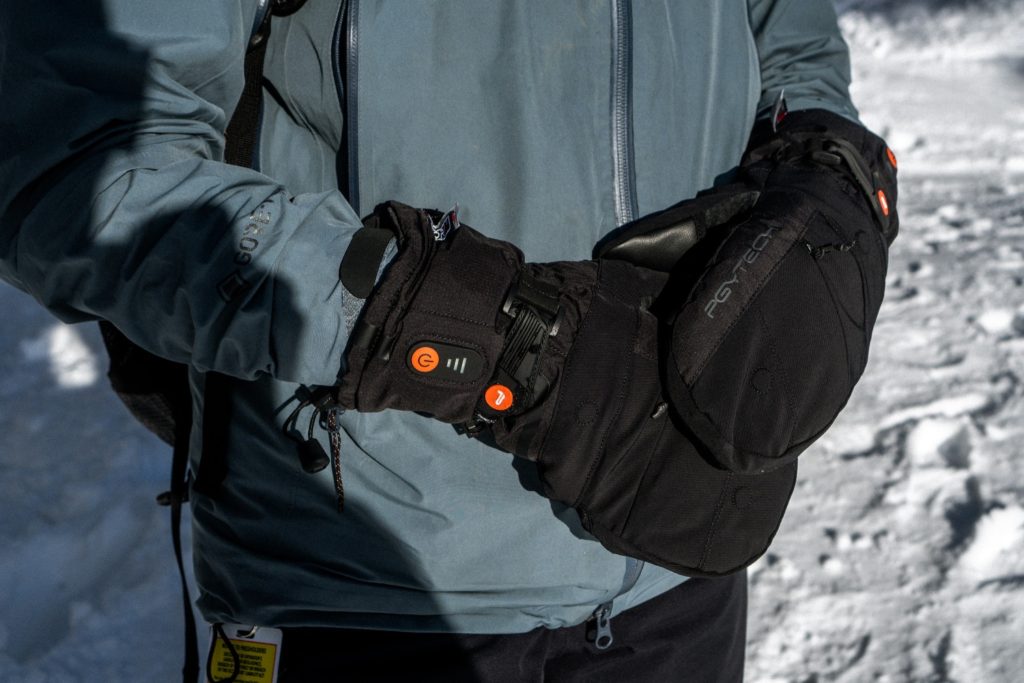
Finally, don’t forget the accessories! You lose a lot of body heat through your head, so a warm hat or beanie is essential. For your hands, mittens are generally warmer than gloves because they keep your fingers together, sharing heat. However, gloves offer better dexterity. Consider a two-part system with a thin liner glove inside a warmer mitten. A neck gaiter or scarf can close up the gap around your collar, stopping cold drafts from getting inside your jacket. These items are small but give you a huge boost in warmth and are key to following winter hiking safety tips.
With your gear all picked out, you’re not just putting up with the cold anymore. You’re ready to get out there and truly enjoy the crisp air, amazing views, and unique experiences that only a winter adventure can offer.


