
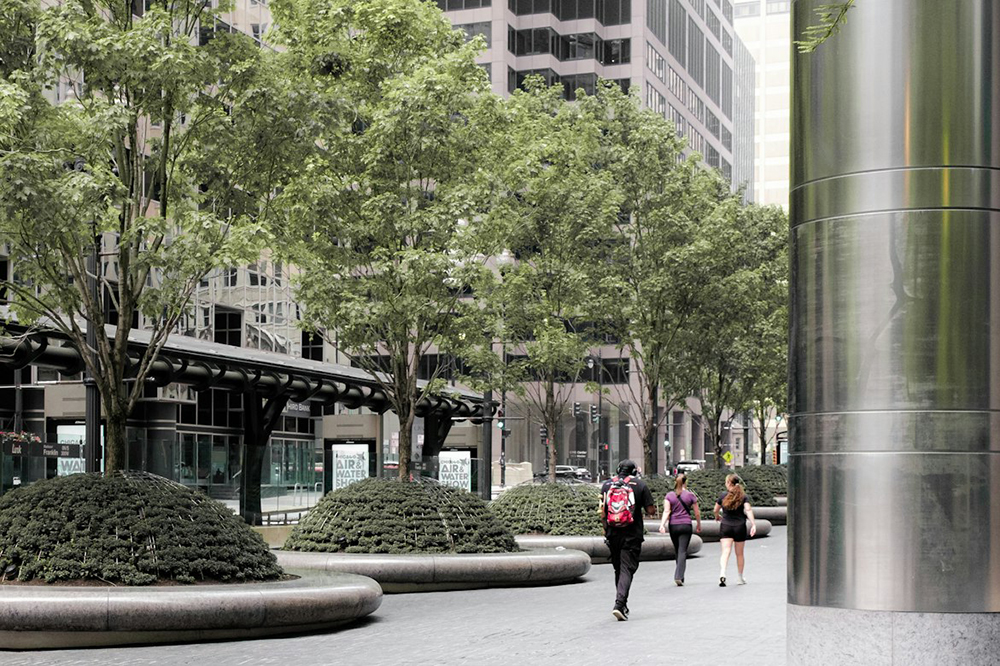
Walkable financial districts give travelers more control over their time, expenses and daily routines. When offices, restaurants, parks and transit stops sit within a comfortable walking distance, a business trip can feel less rigid. Visitors spend fewer hours waiting for rides and gain more chances to experience the city between scheduled commitments.
For families and leisure travelers, the same compact layout makes sightseeing easier and reduces the effort required to organize each day.
The Freedom of Pedestrian Living
A walkable district turns small gaps in your schedule into useful time. A 30-minute break may be enough to pick up lunch, visit a shop or sit in a nearby park without arranging transportation. That flexibility matters during work trips, when meetings can shift with little warning.
Walkability can also support local stores and services. The documented economic benefits of walkability include increased foot traffic and stronger commercial activity. For travelers, this often means more choices close to hotels and offices. Check a map before booking and estimate walking times to the places you expect to visit most. A destination listed as nearby may still involve a difficult route, so review actual street access too.
Streetscapes Designed for Human Scale
Distance alone doesn’t determine whether an area feels walkable. Comfortable sidewalks, shade, visible crossings and active ground-floor businesses all shape the experience. A half-mile route with trees and clear pedestrian signals can feel easier than a shorter trip beside wide roads with few crossing points.
Well-designed streets also encourage movement throughout the day, which can help offset long periods spent sitting in meetings or on flights. Research into the health benefits of walkable cities connects pedestrian-friendly design with physical activity and mental well-being. When reviewing a district, look at street-level photos and recent traveler comments. Pay attention to covered walkways, nighttime lighting and safe routes across major intersections.
Curating an Accessible Stay
Hotel location has a direct effect on how easily you can use a financial district. If you’re deciding where to stay in BGC, compare the property’s position with your meeting venue, dining options and the public spaces you want to explore. A central base can make it practical to return between appointments, change clothes or take a short rest.
Create a simple map with three categories: essential stops, useful services and optional attractions. Essential stops might include an office or event venue, while useful services could include a pharmacy, grocery store or coffee shop. Aim to keep the most frequent trips within a 10- to 15-minute walk. Families should also check stroller access and crossing conditions, especially around busy commuter periods.
Connecting with Vibrant Public Art
Public art gives modern business districts a sense of identity beyond office towers and retail centers. Murals, sculptures and temporary installations can turn a routine walk into an informal city tour. They also create easy meeting points, which is helpful when several people are arriving from different buildings.
You don’t need a formal itinerary to enjoy these works. Save a few locations on your phone, then connect them to routes you already plan to walk. Early morning and late afternoon often offer comfortable temperatures and softer light for photos. Read nearby plaques when available, since they may explain the artist’s connection to the neighborhood. Respect barriers and pedestrian traffic while taking pictures, particularly near building entrances and crowded plazas.
The Future of Planned City Hubs
New city hubs are increasingly planned as mixed-use neighborhoods where offices, homes, hotels, parks and everyday services share the same area. This model supports travelers who want to complete several activities without repeatedly crossing the city. It can also keep streets active beyond standard office hours, creating a more welcoming atmosphere for evening meals and casual walks.
Future developments will need to focus on shade, accessible paths and smooth connections between sidewalks and public transportation. Travelers can encourage that progress through their choices. Favor districts where daily needs are close together and provide specific feedback when crossings, signs or walkways fall short. The best test is practical: after your last appointment, you should still be able to find dinner, visit a public space and return to your room comfortably on foot.