One of the joys of spending time outdoors in the Gunnison Valley is that nature always seems to have a surprise waiting. Over the years, we have become accustomed to seeing mule deer, black bears, bald eagles, and a remarkable variety of waterfowl throughout the region. But recently, another species appears to be making itself at home which begs the question, “Are Sandhill Cranes Nesting in Gunnison County?
While visiting a marshy area in the valley, I observed a pair of Greater Sandhill Cranes moving together through wetland habitat. The birds appeared comfortable, settled, and closely associated with one another—behavior that naturally made me wonder whether they were nesting.
A Species Expanding Its Range
According to the Colorado Crane Conservation Coalition, the primary nesting areas for Colorado’s Rocky Mountain Population of Greater Sandhill Cranes have traditionally been concentrated in Grand, Jackson, Moffat, Routt, and Rio Blanco Counties.
However, the organization notes that small numbers of nesting cranes have been documented in Mesa County, western Montrose County, and more recently in Delta County. Importantly, they also state that nesting may be occurring in Gunnison County as crane populations continue to expand across western Colorado.
That possibility has intrigued birders and wildlife enthusiasts for years.
A search of online discussions reveals occasional reports of Sandhill Cranes in the Gunnison area, but relatively little publicly available documentation suggesting breeding activity. Most observations focus simply on sightings rather than evidence that birds may be establishing nesting territories.
What I Observed
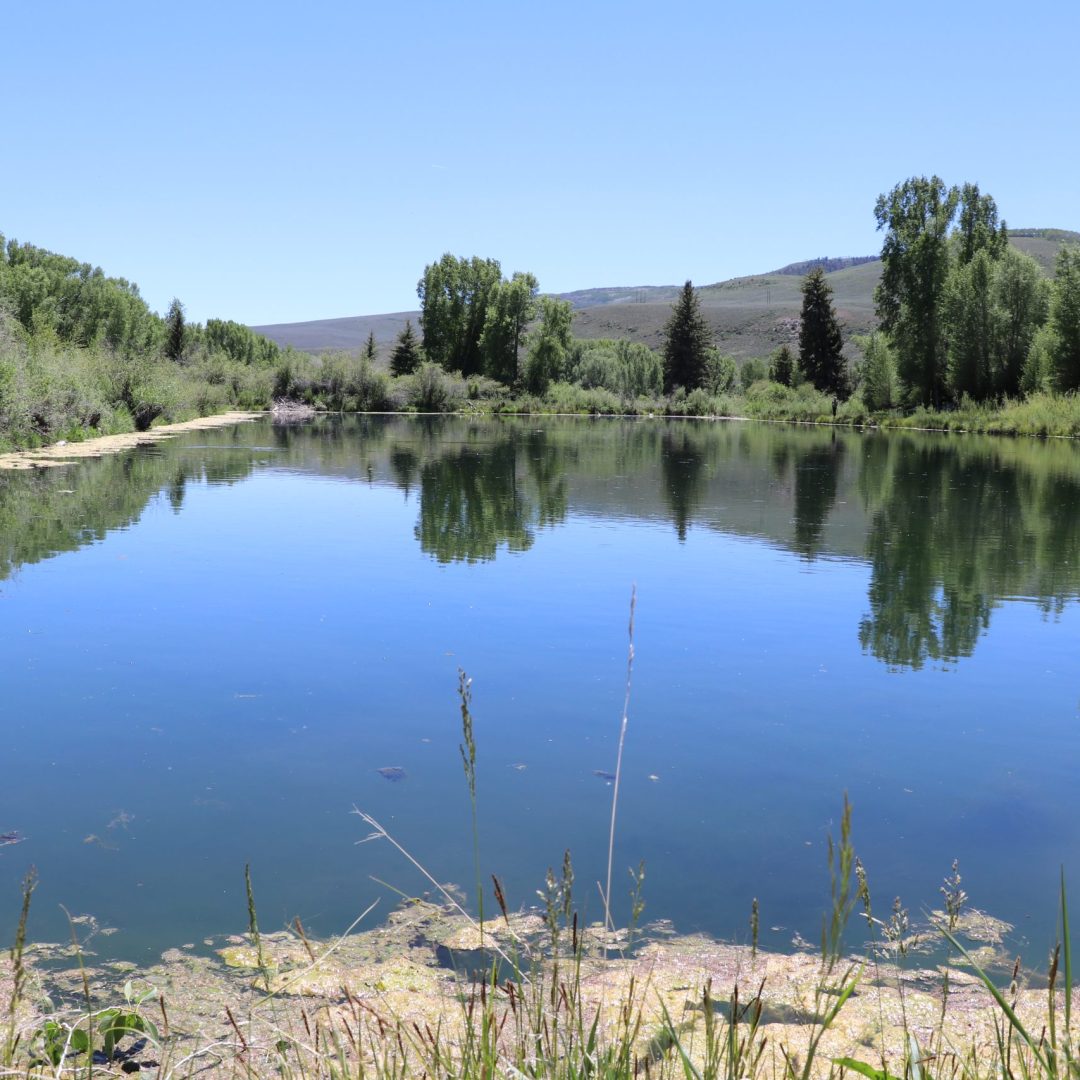
The pair I observed was located in suitable wetland habitat that appeared capable of supporting nesting cranes. The birds were spending time together in a marshy area and exhibited the sort of behavior one might expect from a territorial pair during the breeding season.
To be clear, I did not observe an actual nest.
The area where the cranes were located is private property, and I made no attempt to enter the site or approach the birds closely. Without direct observation of a nest, eggs, or chicks, it would be inappropriate to claim that nesting has been confirmed.
Still, the observation contributes to a growing body of evidence suggesting that Gunnison County may be part of the species’ expanding breeding range.
Why Sandhill Cranes Matter
Few birds capture attention quite like Sandhill Cranes.
Standing up to four feet tall with wingspans reaching six feet or more, they are among North America’s most recognizable birds. Their distinctive rolling calls can carry for miles across open landscapes, and many people consider hearing a crane before seeing one to be part of the experience.
They are also a conservation success story.
After experiencing significant declines in parts of North America during the twentieth century, many Sandhill Crane populations have rebounded thanks to habitat protection and wildlife management efforts. As populations recover, cranes have gradually expanded into areas where they were once uncommon or absent.
If nesting is indeed occurring in Gunnison County, it would represent another chapter in that ongoing recovery.
A Reminder of the Importance of Wetlands
Whether or not this particular pair ultimately nests in the area, their presence highlights the importance of the wetlands that remain throughout the Gunnison Valley.
Marshes, ponds, wet meadows, and riparian corridors provide critical habitat for countless species of birds, mammals, amphibians, and insects. These habitats are often overlooked compared to Colorado’s mountains and forests, yet they support some of the state’s richest biodiversity.
For wildlife enthusiasts, they also offer some of the most rewarding opportunities for observation.
The Story Is Still Being Written
At this point, the evidence suggests possibility rather than certainty.
What can be said with confidence is that Greater Sandhill Cranes are being observed in Gunnison County, and organizations monitoring crane populations have already identified the county as a place where nesting may be occurring. As crane numbers continue to expand throughout western Colorado, additional observations will help paint a clearer picture of their presence in the valley.
For now, seeing a pair of these remarkable birds moving through a Gunnison wetland serves as a reminder that nature is never static. Species shift, landscapes change, and sometimes a quiet morning observation becomes part of a much larger story.
And if Sandhill Cranes are indeed beginning to nest in Gunnison County, we may be witnessing the early stages of a new chapter in the region’s natural history.